

Minimalist nursery ideas focus on simple design, neutral colors, functional furniture, and clutter-free layouts. By using fewer but more meaningful items, you can create a calm, cozy nursery that supports better sleep, easier organization, and long-term flexibility as your baby grows.
When you’re preparing for a baby, everyone has advice. Buy this. Decorate that. Add more color. More toys. More everything. I remember standing in an aisle full of nursery décor thinking, Do babies really need all this? The answer is no. A minimalist nursery strips away the noise and leaves room for calm, comfort, and connection.
In this guide, I’ll share 15 minimalist nursery ideas that help you design a baby room that feels peaceful, practical, and genuinely livable—especially on tired days.
15 Minimalist Nursery Ideas
1. Neutral Color Palette for Instant Calm
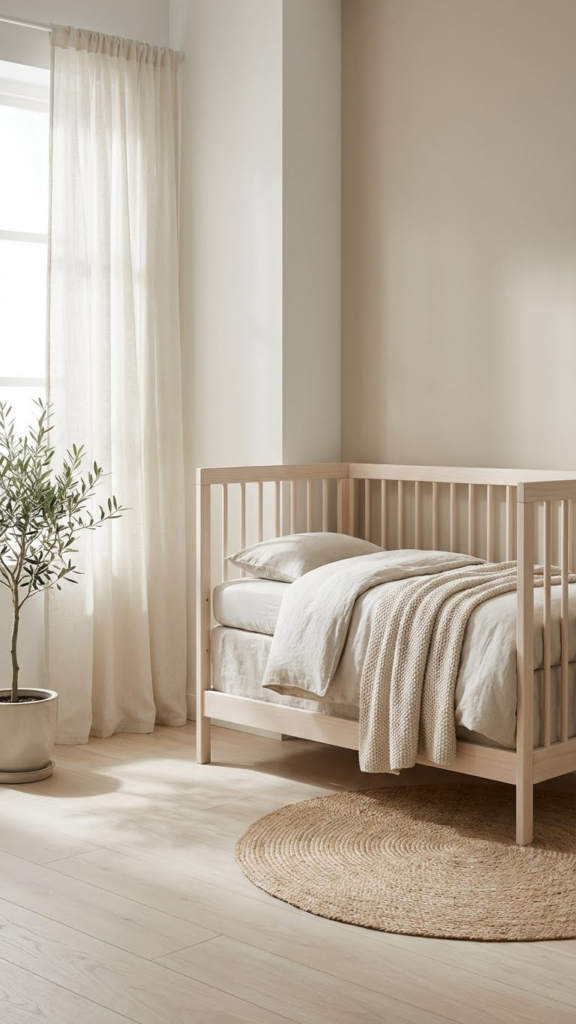
Neutral colors are the backbone of minimalist nursery ideas. Soft whites, warm creams, gentle grays, and muted earth tones create a soothing environment for babies and parents alike. These shades reflect natural light beautifully and make even small nurseries feel open. I’ve noticed that neutral rooms feel calmer during late-night feedings. Start with one base color and layer subtle variations instead of sharp contrasts.
2. Choose a Low-Profile Crib with Clean Lines
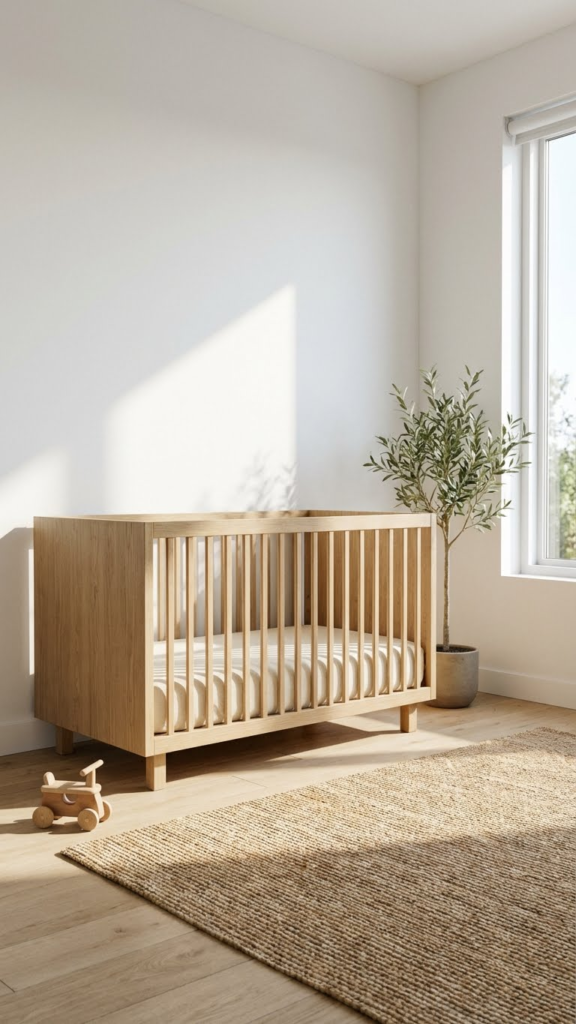
A crib is the focal point of the nursery, so simplicity matters. Low-profile cribs with straight edges and minimal detailing look modern and timeless. They don’t overpower the room or lock you into a specific theme. Light wood or matte white finishes work best for minimalist nurseries and transition well as your child grows.
3. Add Natural Wood for Warmth
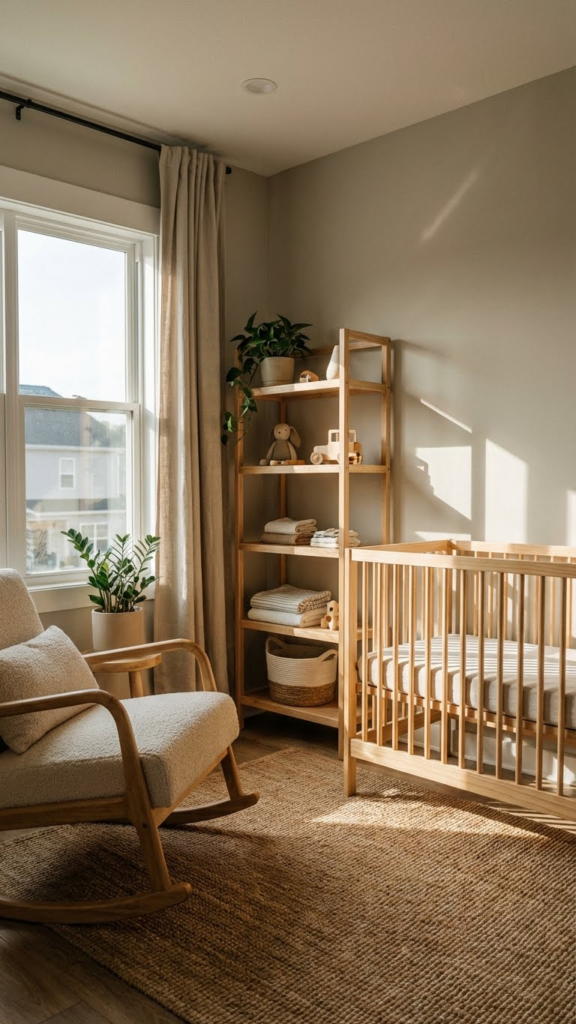
Minimalist nurseries shine when they feel warm, not sterile. Natural wood elements—like a crib, shelving, or a rocking chair—add texture and comfort. Wood balances neutral colors and makes the space feel grounded. I always recommend choosing pieces with simple grain and natural finishes to maintain that effortless look.
4. Keep Decor Intentional and Meaningful
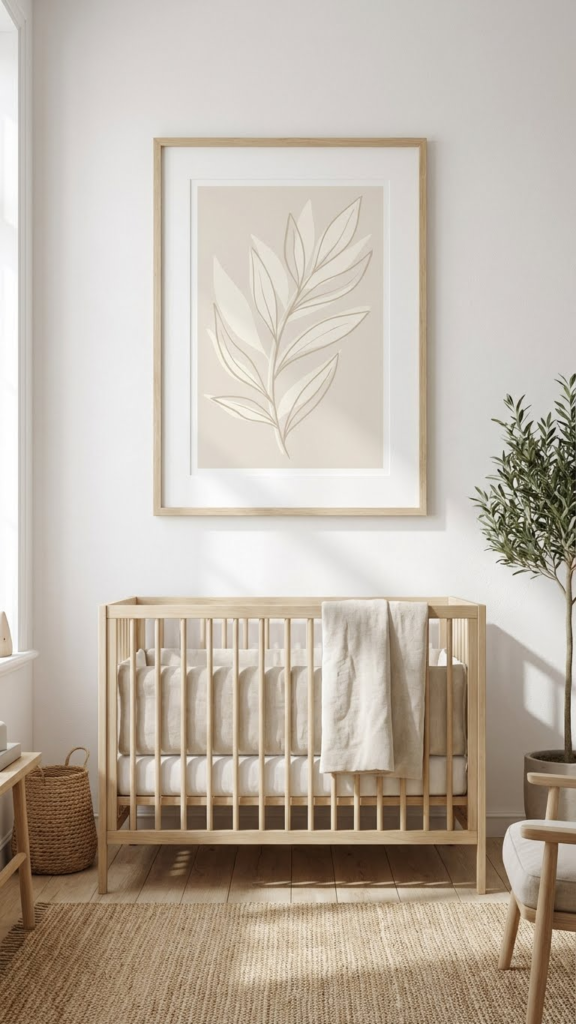
Instead of filling the room with decorations, choose a few pieces that matter. A framed print, a small name sign, or a handmade item adds personality without clutter. Minimalist nursery ideas work best when every object has a purpose or emotional value. If it doesn’t serve a function or spark joy, it probably doesn’t belong.
5. Use Soft Lighting for a Cozy Feel

Harsh lighting can ruin even the most beautiful nursery. Opt for warm, soft lighting using table lamps, wall sconces, or dimmable bulbs. This makes nighttime routines gentler and less disruptive. From experience, soft lighting helps everyone stay calmer—especially during late-night diaper changes.
6. Open Shelving with Careful Editing
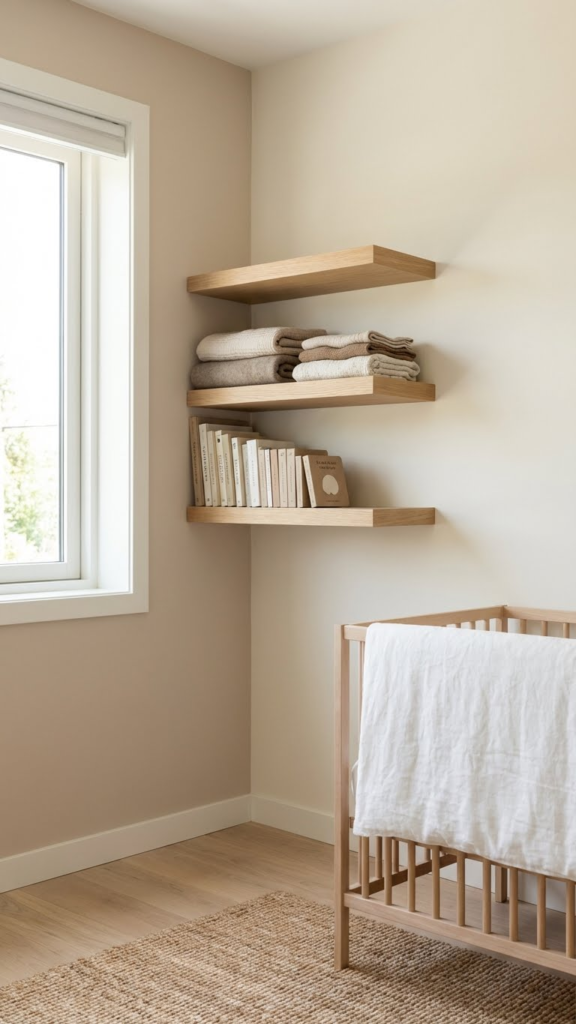
Open shelves can look stunning in a minimalist nursery—if they’re styled thoughtfully. Display only a few items like folded blankets, books, or neutral baskets. Open shelving forces you to edit regularly, which keeps clutter under control. Think “less but better.”
7. Stick to One Simple Theme
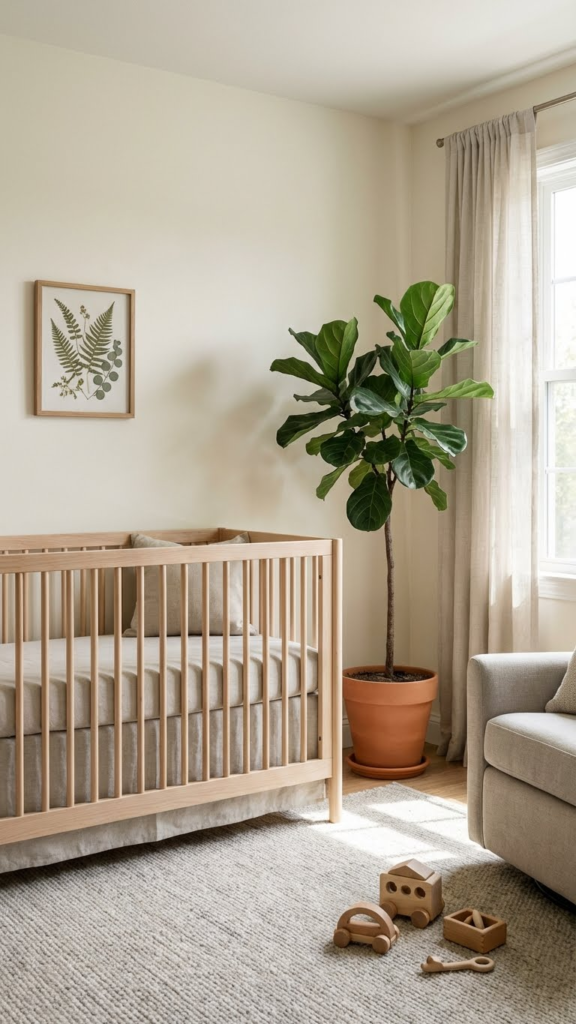
Themes don’t have to be loud. A minimalist nursery theme might be nature, stars, or soft animals—kept subtle and cohesive. Avoid mixing multiple themes or bold characters. A quiet theme adds charm without overwhelming the space.
8. Choose a Neutral, Textured Rug
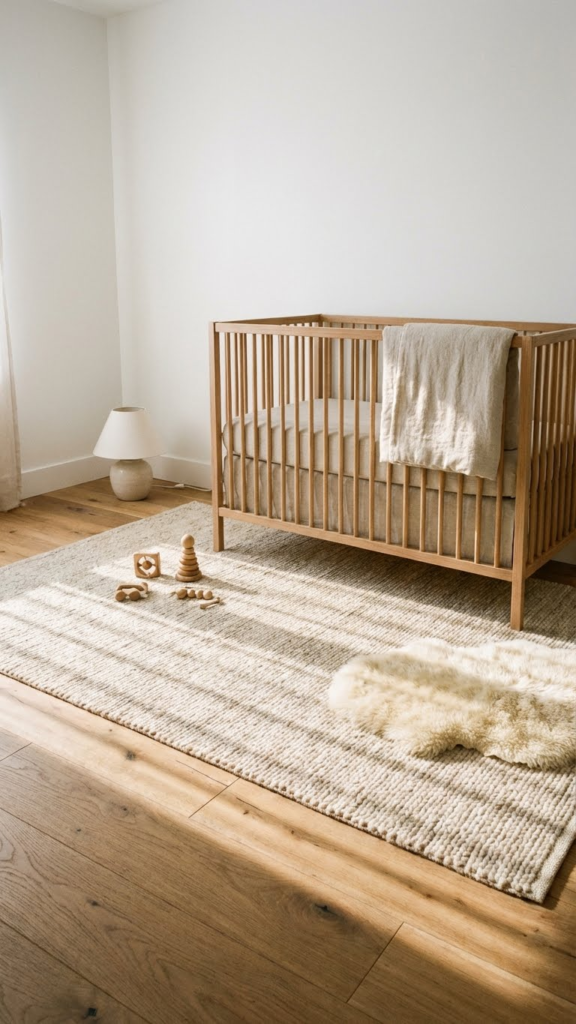
A rug adds comfort and warmth to a nursery, especially for floor play. Choose neutral colors with soft texture rather than bold patterns. Wool, cotton, or jute rugs fit minimalist nursery ideas perfectly. They ground the room while keeping the design simple.
9. Blend Storage into the Design
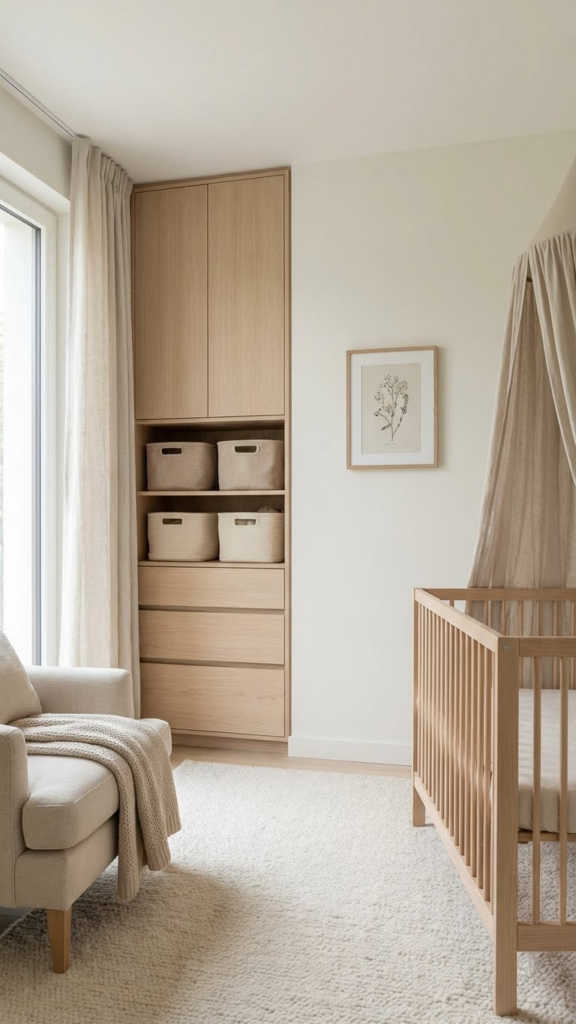
Storage is essential, but it shouldn’t steal attention. Use closed cabinets, drawers, or fabric baskets in matching tones. When storage blends seamlessly into the room, everything feels calmer. A tidy space really does make stressful moments easier.
10. Embrace White Space on Walls
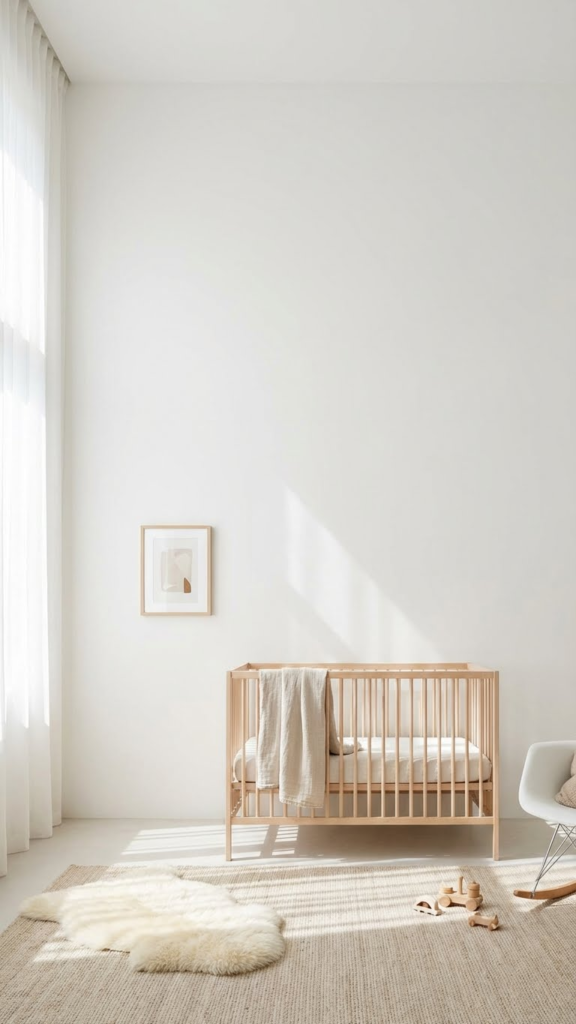
You don’t need to decorate every wall. Leaving some walls bare creates breathing room and visual balance. One or two well-placed prints are enough. White space is a key design tool in minimalist nursery ideas—it helps the room feel open and peaceful.
11. Go Gender-Neutral for Longevity
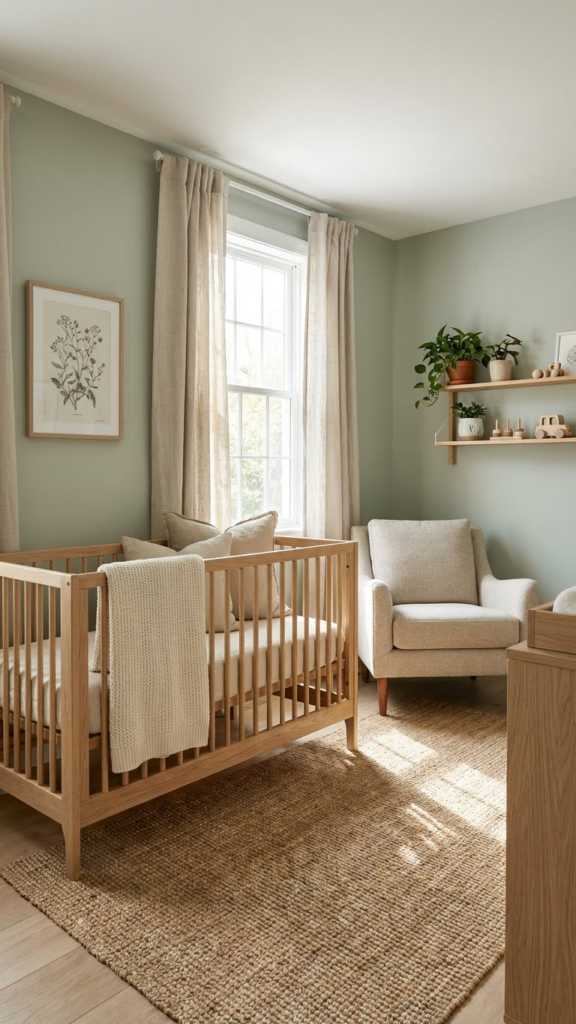
Gender-neutral colors make a minimalist nursery more flexible. Soft greens, warm grays, beige, and clay tones work beautifully and adapt easily as your child grows. These colors also reduce the need for redecorating later, which saves time and money.
12. Keep Window Treatments Simple
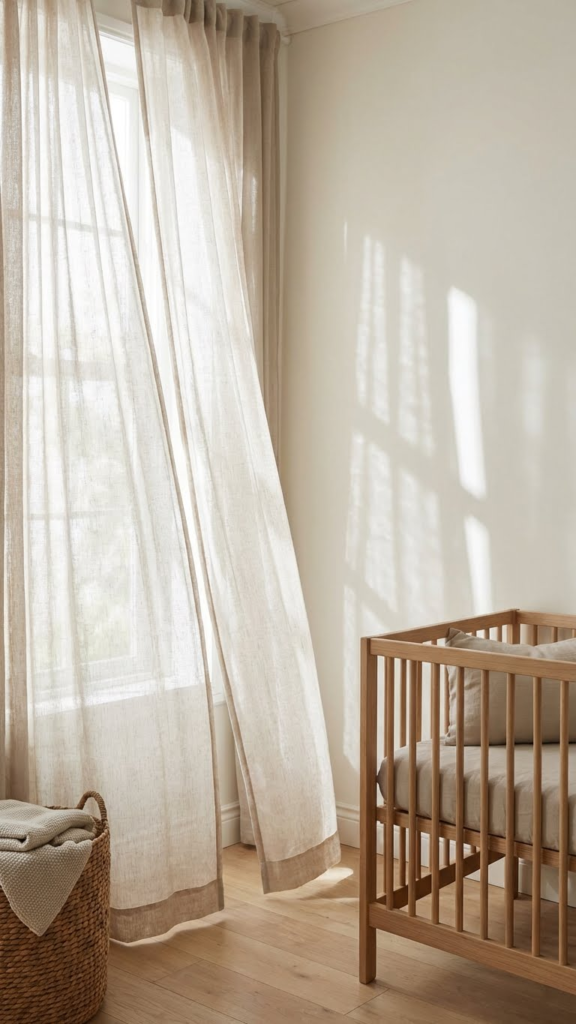
Light, airy curtains or plain Roman shades are ideal. Linen or cotton fabrics let in natural light while maintaining privacy. Avoid heavy patterns or bold colors. Simple window treatments help maintain the calm look of a minimalist nursery.
13. Limit Toys on Display
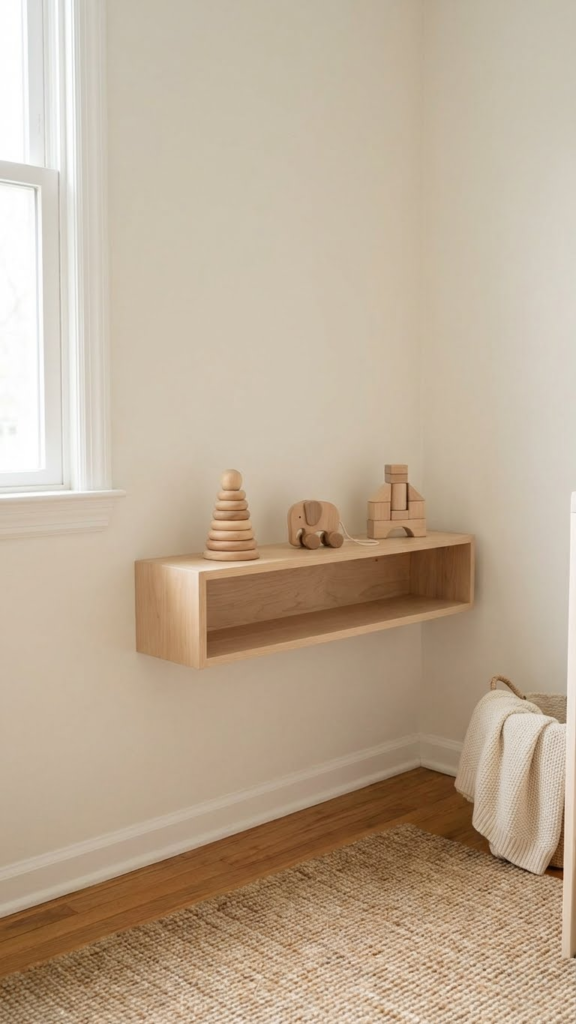
Too many toys can feel chaotic, even to babies. Display a small selection and rotate toys as needed. This keeps the nursery tidy and encourages more focused play. Minimalist nursery ideas aren’t about restriction—they’re about intention.
14. Incorporate Montessori-Inspired Elements
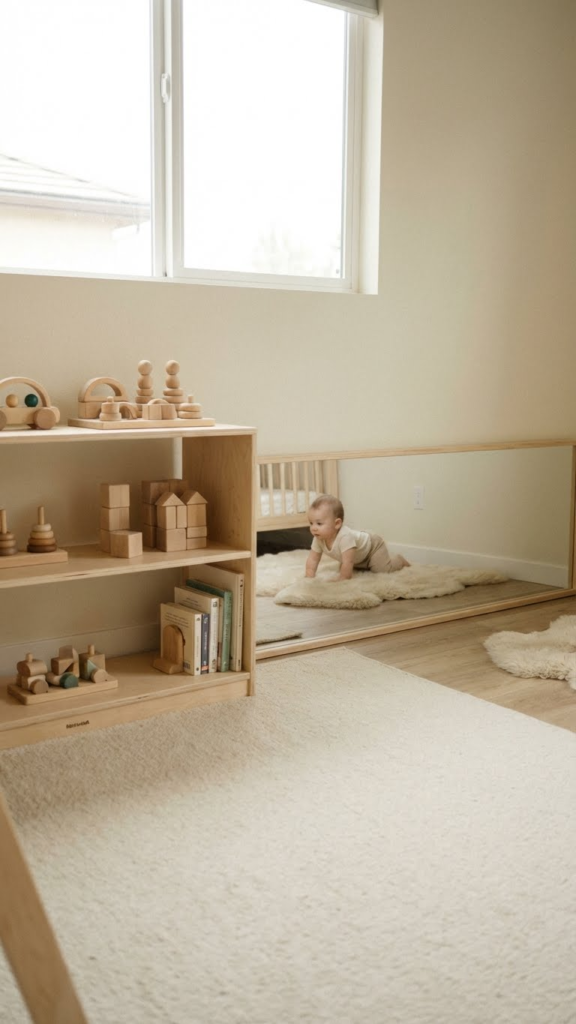
Montessori principles pair naturally with minimalism. Low shelves, accessible items, and floor-level mirrors encourage independence and exploration. Everything has a purpose, and nothing feels excessive. It’s simple, smart design that grows with your child.
15. Allow the Nursery to Evolve Slowly
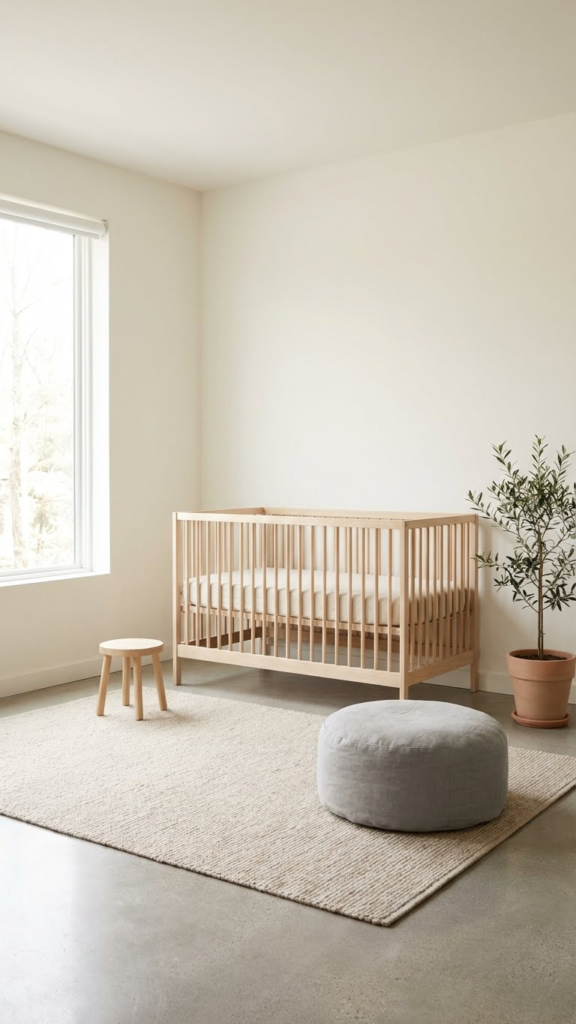
A minimalist nursery doesn’t need to be finished right away. Start with the essentials and add pieces over time. As your baby grows, you’ll understand what’s actually needed. Minimalism gives you space to adapt without stress.
FAQs: Minimalist Nursery Ideas
What defines a minimalist nursery?
A minimalist nursery uses simple colors, functional furniture, and minimal décor to create a calm, clutter-free environment.
Are minimalist nurseries practical for everyday use?
Yes. Fewer items mean easier cleaning, better organization, and less overwhelm for parents.
Do minimalist nurseries work in small spaces?
Absolutely. Minimalist nursery ideas are ideal for small rooms because they maximize space and light.
Can a minimalist nursery still feel cozy?
Yes. Texture, soft lighting, and natural materials prevent the room from feeling cold.
Is minimalist nursery design budget-friendly?
Often, yes. Buying fewer, higher-quality essentials usually costs less than over-decorating.
Conclusion
Minimalist nursery ideas aren’t about doing less for your baby. They’re about doing what truly matters. A calm space supports better sleep, easier routines, and a more peaceful start for your family. Keep it simple. Trust your instincts. And remember—your baby needs love more than décor.